

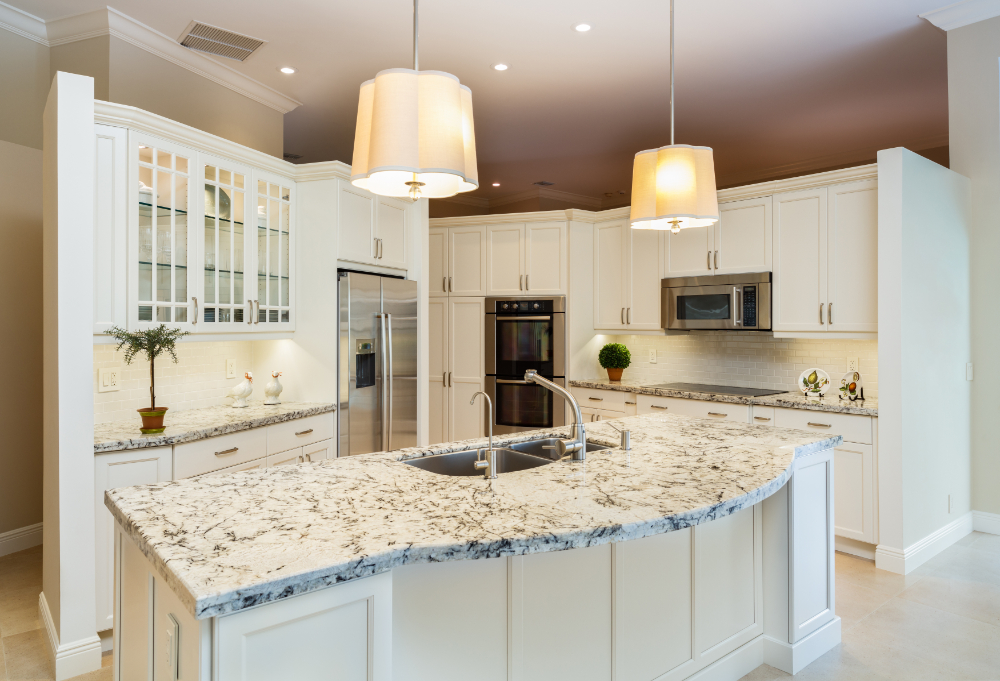
Lighting is one of the most underestimated parts of any renovation. Homeowners in Everett, WA, and beyond pour thousands of dollars into new cabinets, flooring, and fixtures, only to realize too late that the lighting plan was an afterthought. The good news is that with a little forethought, you can design a home lighting plan that works beautifully for years to come.
The Three Layers of Home Lighting Design
The foundation of any successful home lighting design starts with understanding that light works in layers. Most professional designers refer to three core layers: ambient lighting, task lighting, and accent lighting.
Ambient lighting is the base layer. It fills a room with general illumination and sets the overall brightness level. Think of recessed ceiling lights, flush-mount fixtures, or a central chandelier. Without strong ambient lighting, every other layer falls flat.
Task lighting is exactly what it sounds like: light designed to help you perform specific activities. In the kitchen, that means under-cabinet lighting over the countertops. In a home office, it means a focused desk lamp or overhead pendant. In the bathroom, it means vanity lighting positioned to eliminate shadows on your face. Task lighting needs to be bright, focused, and free of glare.
Accent lighting adds drama, dimension, and personality. It highlights artwork, draws the eye to architectural features, or creates a warm glow along a bookshelf. Picture lights, track lighting aimed at a focal wall, and toe-kick lighting under cabinets all fall into this category.
When you are planning a lighting plan for a remodel, your goal is to layer all three types thoughtfully rather than relying on a single overhead fixture to do everything. That single-source approach is one of the most common mistakes homeowners make, and it almost always leads to regret.
How to Start Your Lighting Plan for a Remodel
Before you buy a single bulb or hire an electrician, start with a room-by-room lighting plan. Walk through every space in your home and ask yourself how you actually use each room throughout the day and evening.
A living room might need warm ambient light for movie nights, bright reading light near a favorite chair, and subtle accent lighting to highlight a fireplace or gallery wall. A dining room might want a dimmer-controlled chandelier overhead combined with wall sconces to add warmth. A bathroom might need bright, even vanity lighting alongside softer ambient light for relaxing baths.
Write down your lighting intentions for each room before you ever step into a showroom or open a browser tab. This simple exercise will save you from impulse purchases and mismatched fixtures.
Next, think about natural light. In Everett, WA, the overcast skies that come with the Pacific Northwest climate mean that natural daylight is often soft and limited, especially during fall and winter months. Homes in the area benefit enormously from artificial lighting strategies that compensate for low natural light. Warm-toned bulbs, higher lumen output in key areas, and layered lighting sources all help combat the gray-sky effect that Pacific Northwest winters bring.
Finally, think about your electrical infrastructure early. Adding new circuits, installing dimmer switches, and placing outlets in the right locations all require planning before the walls are closed up. If you are doing a full remodel, this is the time to future-proof your electrical system. Running additional wiring now costs a fraction of what it will cost to open finished walls later.
Choosing the Right Fixtures and Bulbs for Your Home
Home lighting design is not just about placement; it is also about choosing the right technology and style. LED lighting has become the clear standard for residential remodels. LEDs use significantly less energy than incandescent bulbs, last far longer, and are available in a wide range of color temperatures.
Color temperature matters more than most homeowners realize. It is measured in Kelvin (K). Bulbs in the 2700K to 3000K range produce a warm, yellowish light that feels cozy and residential. Bulbs in the 3500K to 4100K range produce a neutral to cool white that works well in kitchens and bathrooms. Bulbs above 5000K produce a daylight-like, bluish tone that is better suited for garages or workspaces than living areas.
When shopping for fixtures, keep your home’s overall design language in mind. Mixing metals is acceptable in modern interiors, but doing so without intention can make a space feel chaotic. Brushed nickel, matte black, and warm brass are all popular finish choices in Pacific Northwest homes, where design tends to blend natural materials with modern simplicity.
Dimmer switches are one of the best investments you can make during a remodel. They give you control over the mood of a room at any hour and extend the life of your bulbs. Not all LED bulbs are dimmable, so confirm compatibility before purchasing.
Common Lighting Mistakes to Avoid During a Remodel
Even well-intentioned homeowners in Everett, WA, fall into predictable lighting traps. Knowing what to avoid is just as valuable as knowing what to do.
One of the most frequent mistakes is placing recessed lights in a rigid grid pattern without considering furniture layout. If your recessed cans end up directly above a sofa rather than in front of it, you will create an unflattering downlight effect on anyone sitting there. Always plan recessed lighting in relation to where people will actually be sitting, standing, and working.
Another mistake is ignoring the importance of lighting in hallways and transition spaces. These areas often get a single overhead fixture as an afterthought, but they shape how your entire home feels. A well-lit hallway with a few sconces or a series of pendants creates a welcoming flow from one space to the next.
Forgetting outdoor lighting is another common oversight. Curb appeal does not stop at sunset. Thoughtful exterior lighting improves security, extends the usability of outdoor spaces, and dramatically improves how your home looks at night. Path lights, porch sconces, and uplighting on trees or architectural features all contribute to a well-rounded exterior lighting plan.
Finally, do not overlook closets and utility spaces. A bright, well-lit closet makes getting dressed in the morning significantly easier. Motion-activated LED lighting in closets and pantries is a small upgrade with a surprisingly large daily impact.
Working With a Lighting Designer or Electrician
For larger remodels, partnering with a lighting designer or a licensed electrician who has experience with residential lighting design is worth serious consideration. These professionals can help you avoid costly mistakes, ensure code compliance, and bring ideas to the table you may not have considered.
In Everett, WA, where many homes range from mid-century bungalows to newer construction, a professional can help you navigate the specific challenges of your home’s existing wiring, ceiling heights, and architectural style. They can also help you prioritize your lighting budget so you spend more in the areas that matter most and save where it makes sense.
When interviewing professionals, ask to see examples of completed lighting projects. Ask how they approach layering light in small spaces. Ask whether they have experience with smart lighting systems, which allow you to control multiple zones from a single app or voice assistant.
Conclusion
A thoughtful lighting plan for a remodel is one of the highest-return investments you can make in your home. Whether you are updating a single room or undertaking a full renovation in Everett, WA, getting the lighting right from the start will save you money, frustration, and regret down the road. Take the time to layer your light, choose the right color temperatures, plan your electrical infrastructure early, and work with skilled professionals when needed. Your future self, flipping on those perfectly placed lights at the end of a long day, will thank you.
Contact Us Today!
If you’re looking for custom affordable home renovation ideas in Everett, WA, Joe Myers Construction Inc. is here to help. Simply contact us today to discuss your project and discover how we can transform your home within your budget. We look forward to working with you and turning your renovation dreams into reality.